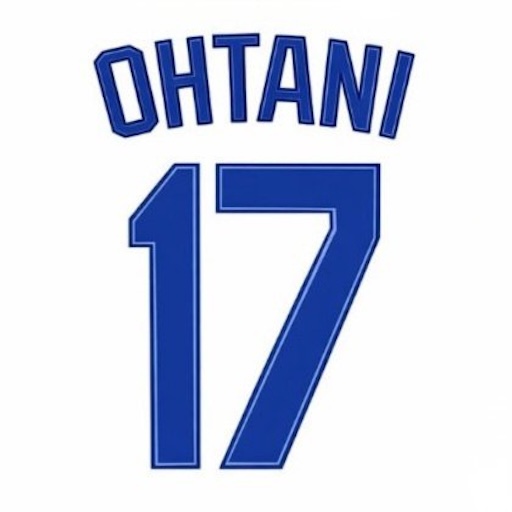
For baseball players, a uniform number often carries special meaning.
In Japanese professional baseball, the number 18 is traditionally associated with the team’s ace pitcher. Other numbers may also become symbolic when they are worn by legendary players and later passed on to promising young talent.
During his time with the Hokkaido Nippon-Ham Fighters, Shohei Ohtani wore the number 11.
That number had previously belonged to Yu Darvish, the team’s former ace, and assigning it to Ohtani reflected the high expectations surrounding his future.
Today, the number 11 is often remembered as part of Ohtani’s early legacy in Japan.
When Ohtani moved to Major League Baseball and joined the Los Angeles Angels, however, that number was not available.
The Angels had already retired No. 11 in honor of franchise legend Jim Fregosi.
Rather than insisting on the number, Ohtani said he viewed it as a natural transition.
If it had been available, he might have chosen 11 again. But he also felt that his time wearing that number in Japan represented a completed chapter in his career.
During the press conference announcing his new number, Ohtani added a comment that immediately drew laughter from the room.
He admitted that the number he actually wanted was 27.
Unfortunately for him, that number was already taken.
The player wearing it was none other than Mike Trout, widely regarded as one of the greatest players in Major League Baseball.
Trout had even encouraged Ohtani to join the Angels through a video call during the recruitment process.
Instead, Ohtani selected No. 17, a number that would soon become iconic in its own right as he began his remarkable Major League career.
The partnership between Ohtani and Trout later became famous among fans, who affectionately referred to the duo as “Troutani.”
Source
This quote comes from a Japanese book published in Japan and is not currently available in English.
Shohei Ohtani: The Story of a Two-Way Major Leaguer, p.35