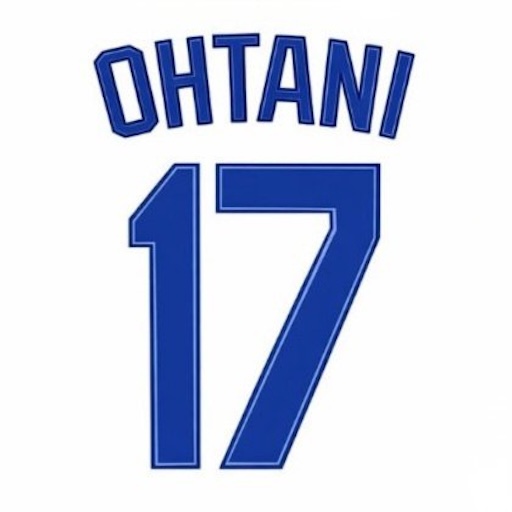
Shohei Ohtani’s training regimen is widely known for its intensity—so demanding that it astonishes not only Japanese professional players, but even Major League Baseball athletes.
One of them is Paul Skenes, the Pittsburgh Pirates pitcher who won Rookie of the Year honors after posting an 11–3 record in 2024. Inspired by Ohtani, Skenes had pursued a two-way path during his college years. However, upon reaching the Major Leagues, he chose to focus solely on pitching in order to fully maximize his elite velocity, which regularly exceeds 100 mph (160 km/h).
Skenes has said that while he dreamed of continuing as a two-way player, being competitive at the Major League level in both pitching and hitting would require overwhelming excellence in each—an extraordinarily difficult challenge. Concentrating on pitching was the most realistic choice.
When Skenes faced Ohtani for the first time, he struck him out in the first at-bat. In the second, however, Ohtani hit a home run off him. What stood out was not frustration, but the smile on Skenes’ face—an expression of awe rather than defeat.
Even for a talent like Skenes, two-way play is extraordinarily demanding. So why has Ohtani been able to sustain it?
The answer lies not only in physical ability, but in how Ohtani experiences effort itself. During his time at Hanamaki Higashi High School, Ohtani explained that once he decides to do something, he can work harder than most people. But he quickly added that calling it “working hard” doesn’t quite capture it. To him, baseball practice has never felt unpleasant. It feels natural—almost effortless.
This “feeling of not pushing oneself” is precisely what allows Ohtani to sustain a workload that would exhaust others. Because baseball is something he genuinely enjoys, he can immerse himself completely without feeling the strain. That enjoyment—rather than sheer willpower—is what makes the impossible seem sustainable.
Source
This quote comes from a Japanese book published in Japan and is not currently available in English.
Shohei Ohtani: Challenge, p.58